
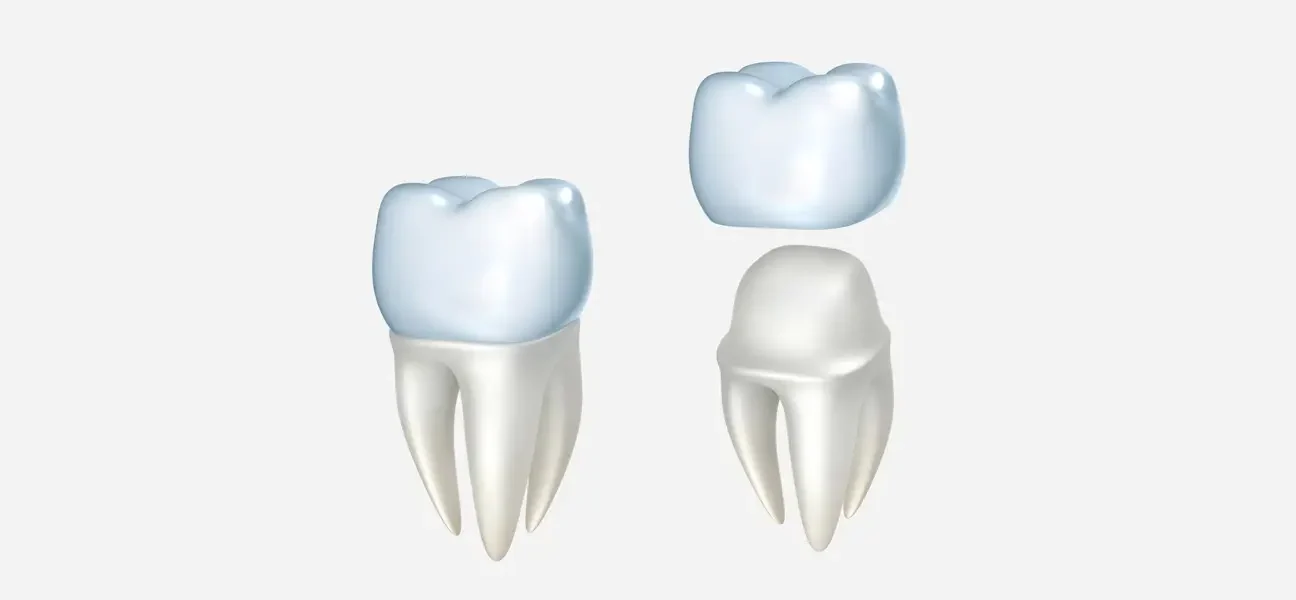
What Happens During a Same-Day Dental Crown Procedure?
Not every damaged tooth needs weeks of treatment to function normally again. Advances in digital dentistry now allow many patients to receive a custom dental crown during a single appointment.
For patients considering same-day crowns in Gillette, WY, this approach offers more than convenience. Digital technology allows your dentist to examine the tooth in detail, design a restoration tailored to your bite, and fabricate it in the office with high precision.
At Mountain West Dental, treatment recommendations are always based on a comprehensive clinical examination and the condition of the tooth rather than a one-size-fits-all approach.
Why Same-Day Crowns Have Changed Restorative Dentistry
A tooth rarely becomes weak overnight. Years of chewing, previous fillings, fractures, or untreated decay can gradually reduce the amount of healthy tooth structure that remains. At some point, another filling may no longer provide enough support because the remaining enamel can flex under normal biting forces, increasing the likelihood of a larger fracture.
Traditionally, restoring these teeth involved two appointments. The first visit involves reshaping the tooth, taking impressions for the final restoration, and fitting a temporary crown to protect it until the permanent one is ready. Although temporary crowns protect the prepared tooth, they are designed for short-term use and may loosen or wear out before the next appointment.
Digital chairside technology has simplified this process by allowing the final ceramic crown to be designed and milled during the same visit. This reduces the time the prepared tooth remains uncovered and eliminates the need for a temporary restoration in many cases.
When Dentists Recommend a Same-Day Crown
When a filling is no longer sufficient to restore or protect a tooth, your dentist may recommend a same-day crown. The decision is based on how much healthy tooth structure remains, the tooth’s location, your bite, and the forces it must withstand during everyday use.
Your dentist may recommend this type of restoration when a tooth has:
- Extensive decay has weakened the remaining enamel.
- A fractured cusp or crack that affects chewing.
- A large filling that no longer provides adequate support.
- A tooth that has undergone root canal treatment and requires additional reinforcement.
- Significant wear from long-term grinding or clenching.
Rather than focusing only on the damaged area, your dentist also evaluates the surrounding teeth, gum health, and bite to determine whether a crown will provide the most predictable long-term outcome.
Digital Scanning Instead of Traditional Impressions
One of the biggest differences between conventional crowns and same-day crowns is how the restoration is planned.
Instead of using trays filled with impression material, an intraoral scanner captures thousands of detailed images of the prepared tooth. These scans are used to generate a detailed three-dimensional model, allowing your dentist to evaluate the tooth, adjacent teeth, and your bite with exceptional accuracy.
Digital scans allow the dentist to enlarge and evaluate the preparation from multiple angles before the crown is designed. If additional detail is needed, another scan can be taken immediately without repeating the entire impression process.
For patients receiving dental crowns in Gillette, WY, this digital workflow often improves comfort while helping to create a restoration with a precise fit.
Designing and Milling the Crown in One Visit
After the scan is complete, specialized CAD/CAM software is used to design the crown. Rather than relying on a standard shape, the software creates a restoration that follows the contours of your prepared tooth and fits naturally within your bite. Before fabrication begins, your dentist carefully reviews the design and makes any adjustments needed to improve function or appearance.
The final design is then sent to an in-office milling unit, where the crown is carved from a solid block of durable ceramic. Depending on the material selected, the restoration may be polished or glazed before placement. Because the entire process takes place in the dental office, there is no need to send impressions to an outside laboratory or wait days for the finished crown.
Preparing the Tooth and Placing the Restoration
Before the crown is placed, your dentist removes any decay, failing restorative material, or weakened tooth structure. The tooth is then reshaped to create enough room for the ceramic crown while preserving as much healthy enamel as possible. Conserving sound tooth structure whenever possible helps improve the long-term strength of the restored tooth.
Once the crown has been milled, it is tried in to evaluate how it fits against the prepared tooth and neighboring teeth. Your dentist also checks the bite because even a slight variation in height can place unnecessary pressure on the restoration during chewing. After any necessary adjustments are made, the crown is permanently bonded into place using a durable dental adhesive.
Benefits of Completing Treatment in a Single Appointment
Receiving a crown in one visit offers practical advantages beyond saving time. Same-day crown technology allows the permanent restoration to be placed in a single appointment, eliminating the need for a temporary crown between visits.
Additional benefits may include:
- Fewer interruptions to your schedule.
- No temporary crown that could loosen or break.
- Comfortable digital scanning instead of traditional impressions.
- A restoration designed specifically for your bite and tooth anatomy.
- Return to normal eating and daily activities.
Same-day crowns are an effective solution for many cases, but your dentist will recommend the option that best matches your individual dental condition.
Caring for Your New Crown to Maximize Longevity
Although a ceramic crown is strong, it still relies on healthy surrounding teeth and gums for lasting success. To help maintain the strength of your crown, avoid biting hard items like ice and candies, and never use your teeth to open packages or other objects.
If you clench or grind your teeth while sleeping, a custom nightguard may be recommended to reduce excessive pressure on the restoration.
With consistent oral hygiene and regular professional care, many crowns continue to function well for years. Caring for your crown includes brushing your teeth twice a day, flossing between them each day, and scheduling regular dental checkups to support long-term oral health. Visit a trusted dentist in Gillette, WY, for personalized dental care and treatment solutions designed to support your long-term oral health.
Is a Same-Day Crown the Right Option for Your Smile?
A comprehensive evaluation allows your dentist to recommend the restoration that offers the best balance of strength, function, and long-term durability. If you’ve been looking for same-day crowns near me, select a practice that uses modern digital technology and comprehensive clinical evaluations to create a treatment plan tailored to your oral health.