
Signs You May Need a Dental Crown
Tooth damage does not always cause obvious symptoms. In many cases, early changes in strength or sensitivity can go unnoticed until the problem worsens. When a tooth becomes weak, early protection helps prevent further damage. For patients considering treatment options such as dental crowns in Gillette WY, recognizing warning signs helps guide timely care.
What a Dental Crown Does for a Damaged Tooth
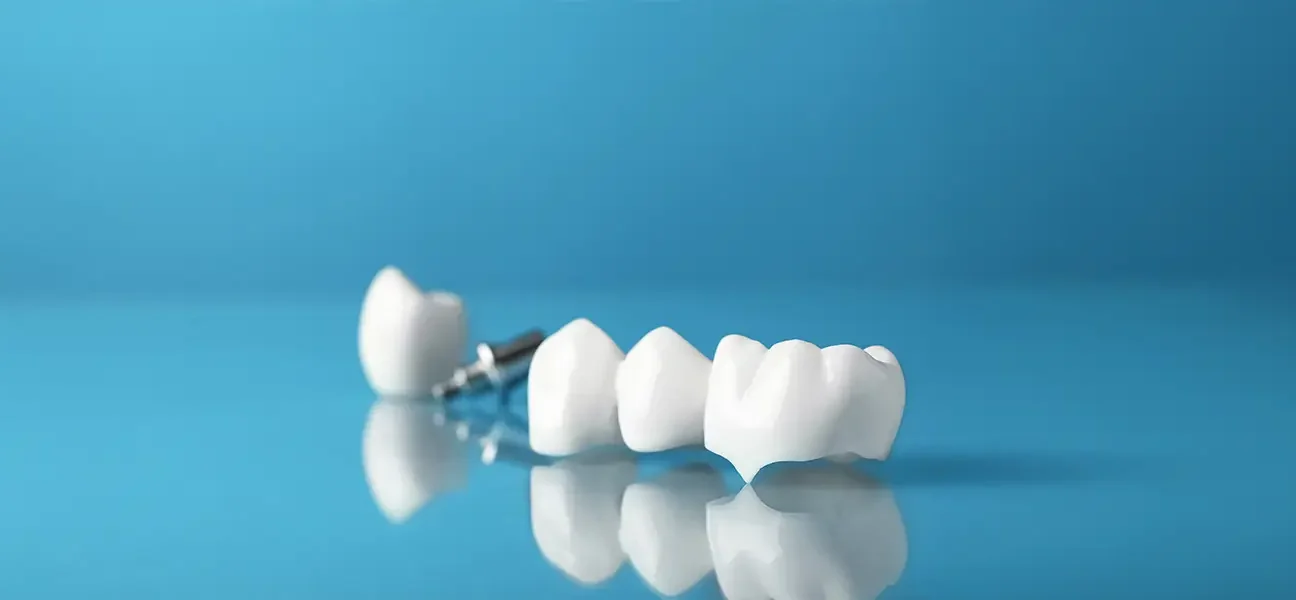
A dental crown is a tailored restoration that encases the outer portion of a tooth. It restores strength, protects weakened enamel, and supports normal function.
Dentists often recommend crowns when a tooth cannot be supported by a filling alone. By covering the tooth, the crown distributes biting forces evenly and reduces fracture risk. This approach helps preserve the natural tooth while restoring stability.
Persistent Tooth Pain or Sensitivity
Ongoing discomfort is a common sign that a tooth may need added protection. If you feel pain while chewing or notice sensitivity to temperature, it may indicate enamel damage or exposed inner layers. If discomfort keeps returning, many patients begin searching for a dentist near me to understand the cause and prevent further damage
While mild sensitivity may improve with conservative care, persistent symptoms should be evaluated. Patients experiencing recurring discomfort should seek care rather than delaying treatment, as early intervention helps prevent further damage.
Large Fillings That Weaken Tooth Structure
Fillings are effective for treating decay, but larger restorations can leave the remaining tooth more vulnerable. As more natural structure is replaced, the tooth may lose strength and become prone to fracture.
In these situations, a crown reinforces the tooth and reduces the risk of cracking. Full coverage helps support the remaining structure and improves durability over time.
Cracked, Broken, or Worn-Down Teeth
Teeth may crack due to injury, grinding, or repeated pressure. Some damage is visible, while in other cases it is only identified during an exam.
Common signs include:
- Pain when biting or releasing pressure
- Visible chips or fractures
- Flattened or worn chewing surfaces
A crown can stabilize the tooth and help prevent the crack from worsening. This type of damage is often what leads patients to search for options like dental crowns near me.
After Root Canal Treatment
During a root canal, infected tissue is removed, and this can leave the tooth more fragile. Without added support, the tooth is more likely to fracture during normal use.
Dentists typically recommend placing a crown after this procedure to protect the tooth and restore function. This step helps reduce the risk of future complications.
Cosmetic Reasons for Crown Placement
Dental crowns may improve the appearance of teeth that are stained, misshapen, or not uniform. While cosmetic improvement is a benefit, the primary purpose is to restore strength and function.
Every crown is shaped and shaded to fit seamlessly with the rest of your teeth.
The Crown Placement Process Explained
The process of placing a dental crown is straightforward and predictable.
Step 1: Evaluation and Preparation
The tooth is examined, and any damaged areas are removed. The tooth is carefully reshaped to ensure the crown fits properly.
Step 2: Impression and Temporary Crown
An impression is taken to create a custom crown. A temporary crown helps protect the tooth while your custom crown is being made.
Step 3: Final Placement
The permanent crown is fitted, adjusted for comfort, and bonded into place. The result is a stable restoration that supports normal function.
Consulting a Restorative Dentist in Gillette WY
If you notice changes in comfort, strength, or appearance, seek a professional evaluation. A qualified dentist in Gillette WY, can evaluate your tooth and determine whether a crown is appropriate.
Early care helps preserve natural tooth structure and may prevent more extensive treatment. Routine dental visits also support early detection of structural concerns.
Final Thoughts
Dental crowns help protect damaged teeth while restoring their strength and function. Recognizing early signs such as sensitivity, structural weakness, or visible damage allows for timely care and better outcomes.
If you have concerns about a tooth, a dental evaluation can help you understand your options and maintain long-term oral health. At Mountain West Dental, care is focused on preserving natural teeth while supporting comfort and function through evidence-based treatment.