
Healthy Daily Oral Hygiene Habits For Gillette, WY Smiles
Daily oral care influences not only teeth and gums but also overall health over time. For patients seeking a reliable dentist in Gillette, WY, building consistent oral hygiene habits at home is the foundation of lasting dental health, especially in Wyoming’s unique climate.
Why daily oral hygiene has a bigger impact than most people realize
Daily home care habits influence oral health outcomes more than infrequent dental treatment alone. Plaque begins forming within hours after eating or drinking, and without regular removal, it hardens into tartar that requires professional care.
Routine oral hygiene practices help control inflammation, protect enamel, and reduce harmful bacterial buildup. Over time, untreated plaque buildup can irritate gum tissue and weaken the structures that support teeth. Strong daily care allows dental visits to focus on prevention instead of treating advanced problems.
Brushing habits that protect teeth in dry and cold climates
Exposure to cold weather and dry air may reduce saliva production, limiting its ability to neutralize acids and wash away food particles. When saliva flow is reduced, teeth become more vulnerable to decay and enamel erosion.
Brushing twice daily with a fluoride toothpaste helps strengthen enamel and limit acid-related damage. Use a soft-bristled toothbrush with gentle pressure to avoid enamel wear and gum irritation. Brushing too hard does not clean better and can lead to sensitivity over time.
It’s recommended to replace toothbrushes every three to four months, especially when the bristles begin to wear down.
Because saliva flow decreases during sleep, brushing before bed helps remove bacteria that would otherwise remain on teeth.
These brushing and flossing habits reduce irritation and enamel stress caused by dry air and cold weather.
Why flossing is essential for long-term gum health
Brushing alone cleans only about 60% of tooth surfaces. Flossing regularly helps clean areas between teeth and along the gumline that brushing misses.
Daily flossing lowers the risk of gingivitis progressing to periodontitis, a leading cause of adult tooth loss. When plaque remains between teeth, it can trigger chronic inflammation that damages gum tissue and the underlying bone. Flossing is effective regardless of the tool used when performed correctly.
Healthy gums typically do not bleed regularly. Persistent bleeding is often a sign that flossing or overall gum care needs improvement and should be discussed during a dental visit.
How diet, hydration, and lifestyle affect oral health
Regular exposure to sugary and acidic foods promotes bacterial growth and contributes to enamel breakdown, increasing cavity risk. Limiting snacking and choosing balanced meals can reduce acid exposure throughout the day.
Drinking water regularly supports saliva production and helps rinse away food particles and acids, which is especially important in dry climates. Water also helps neutralize acids that can linger after meals or snacks.
Tobacco use, ongoing stress, and teeth grinding can gradually contribute to gum damage, enamel wear, and jaw discomfort. Stress-related habits such as clenching may go unnoticed but can significantly impact oral health over time. Managing stress, avoiding tobacco, and using protective devices when recommended can help limit long-term damage.
Diet and hydration directly affect saliva production and acid exposure, which, in turn, influence enamel strength and gum health.
The role professional dental visits play in reinforcing daily habits.
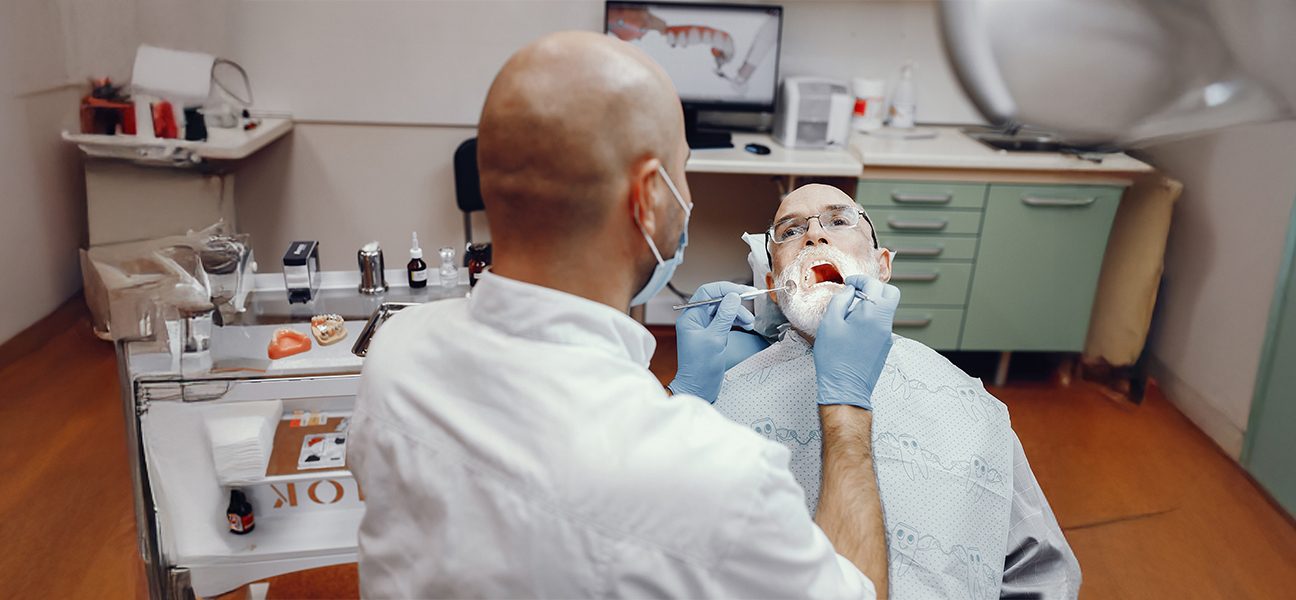
Even strong home care routines benefit from professional oversight. Routine exams and cleanings enable dental teams to remove hardened plaque, monitor early changes, and provide individualized guidance tailored to each patient’s needs.
Regular dental visits help identify early issues before they require more complex or invasive treatment. These appointments also provide opportunities to refine brushing and flossing techniques, address dry mouth concerns, and adjust care recommendations as oral health changes with age or lifestyle factors.
Practical takeaways for maintaining healthy smiles year-round
A healthy smile does not require complicated routines. Oral health is supported by brushing twice daily with fluoride toothpaste, flossing once a day, staying well hydrated, and making tooth-friendly dietary choices.
Address teeth grinding when advised and seek care promptly if discomfort, bleeding, or sensitivity occurs.
Daily habits play a critical role in protecting oral health over time. Simple habits practiced consistently help lower the risk of preventable dental problems and support comfortable oral function.
Combining daily home care with routine dental visits to a dentist near you in Gillette, WY helps reduce preventable oral health problems over time.
At Mountain West Dental, patients receive guidance designed to support practical daily routines, helping individuals and families in Gillette maintain healthier smiles with confidence.